Are national energy security plans enough in today’s interconnected world? How can we strengthen the resilience of energy systems at a time when national power grids are becoming increasingly interdependent? These and other questions were explored at the Nordic-Baltic Energy Conference 2026.
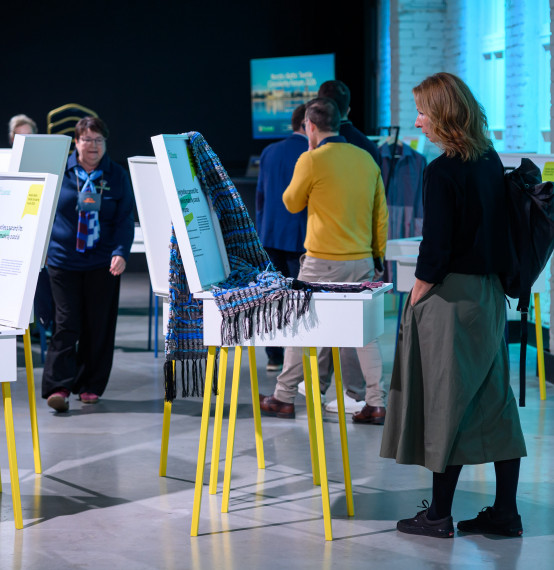
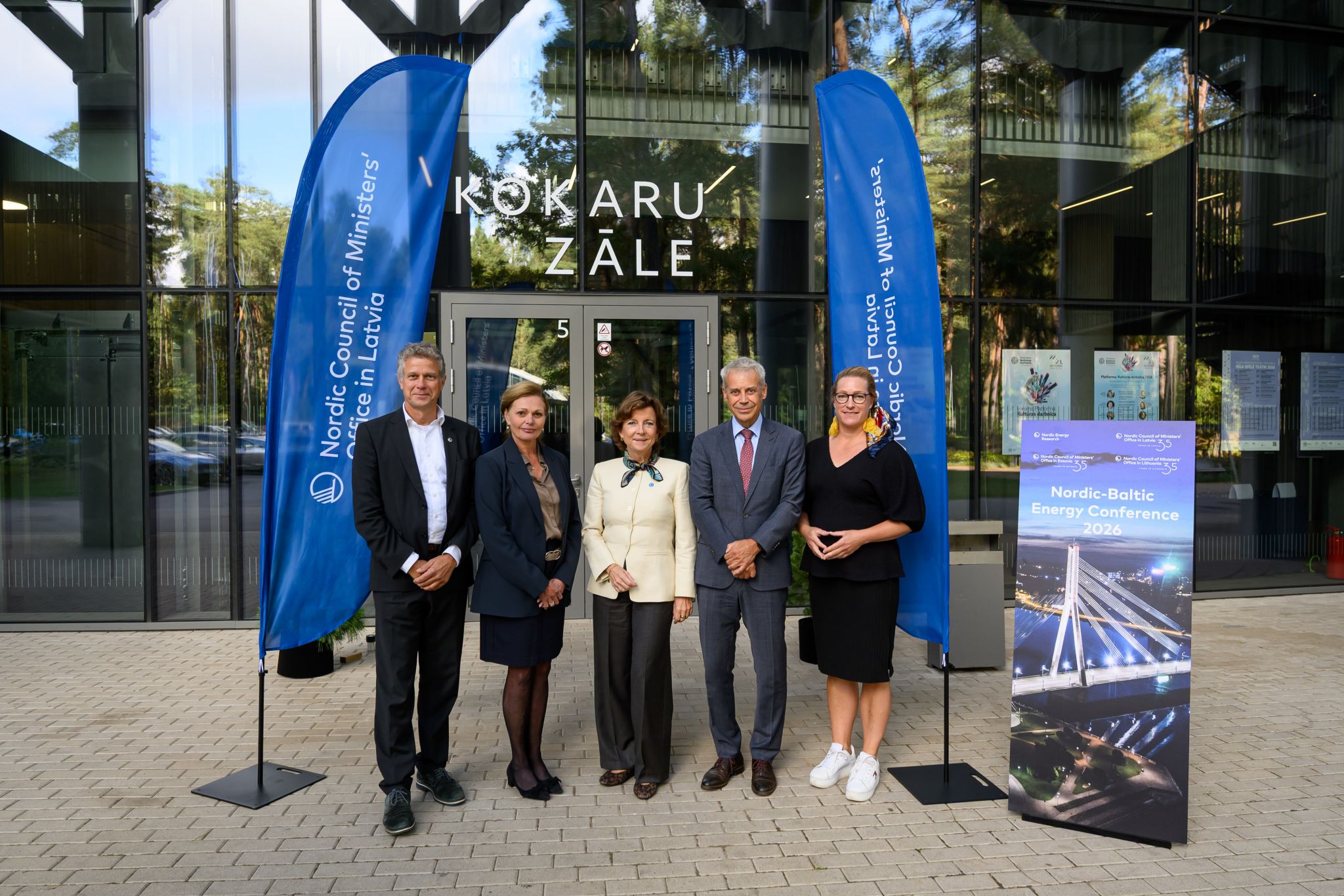
Much of the value of the conference lay not only in what was said on stage, but also in the people it brought together – conversations are often where new ideas emerge and where future cooperation begins. On 15 September, the conference on energy security and security of supply in the Nordic-Baltic region took place at Kokaru Hall in Mežaparks, Riga.
What happens in one country’s energy system increasingly extends beyond its national borders. The Nordic and Baltic countries are connected by more than the Baltic Sea – they share energy infrastructure and increasingly interconnected energy systems, bringing benefits and at the same time new vulnerabilities. But what happens if electricity demand grows faster than our ability to build new generation and grid capacity? According to the latest research by Nordic Energy Research, this is a situation we may already face in the early 2030s. Our energy systems will therefore need to expand while becoming more resilient at the same time.
“For a long time preparedness meant dealing with accidents, with storms or technical failures. Now, we must also prepare for deliberate acts, sabotage, hybrid operations and in the worst case direct attacks on critical infrastructure”.
– Karen Ellemann, Secretary General of the Nordic Council of Ministers
One of the takeaways was just how vulnerable the infrastructure we rely on every day can be. The discussions included the presentation of a Nordic policy roadmap developed as part of the report “Energy Security in the Nordic Region”. Led by Ragnhild Leganger, Senior Advisor at Nordic Energy Research, the discussion focused on closer regional cooperation and the next steps needed to strengthen energy security. The Baltic Sea has an average depth of only around 54 metres, making subsea infrastructure particularly vulnerable to damage. Since 2023, more than 11 data and energy cables have been damaged as a result of both deliberate actions and accidents, including incidents involving dragging anchors. This clearly illustrates why energy security can no longer be addressed solely within national borders.
“Nordic import dependency on jet fuel is at 68% and in a global crunch like we have seen in the Hormuz crisis, we are competing for supply from a limited number of international refineries. Our commercial market institutions are very effective at day-to-day trade and operational management, but we lack a coherent, shared approach to regional energy security.”
– Antti Viktor Rauhala, Chief Operating Officer, Economic Security Forum
As Līga Rozentāle, Deputy State Secretary for Energy Policy at the Ministry of Climate and Energy, pointed out, one opportunity that has not yet been fully used is for the Nordic-Baltic region to speak with a stronger common voice in areas where the countries share common interests. A more coordinated position would allow the region to represent its views more effectively within the European Union and in the International Energy Agency. At the same time, energy security should not be viewed solely through the lens of electricity. Gas supply and heating are equally important, as all of these systems are interconnected.
From the broader question of regional cooperation, the discussions then turned to how this cooperation can be translated into practical crisis preparedness. Under the guidance of Jon Behrendt Ibsø, Senior Market Director for Renewable Energy at COWI Group, the discussion explored the role of energy systems, what the Nordic and Baltic countries can learn from Ukraine’s experience, and how municipalities and energy companies can strengthen their preparedness for crises.
“Besides safeguarding the infrastructure that we have now, we need more push towards decentralized energy. I think we are going in the right direction, but if the urgency is there, I don’t believe that it truly is. In Latvia, for example, 75% of electricity is generated in five facilities.”
– Artūrs Toms Plešs, Managing director Eurowind Energy A/S
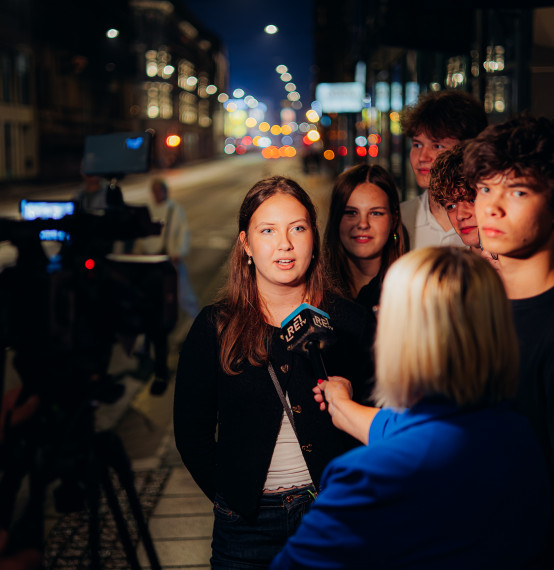
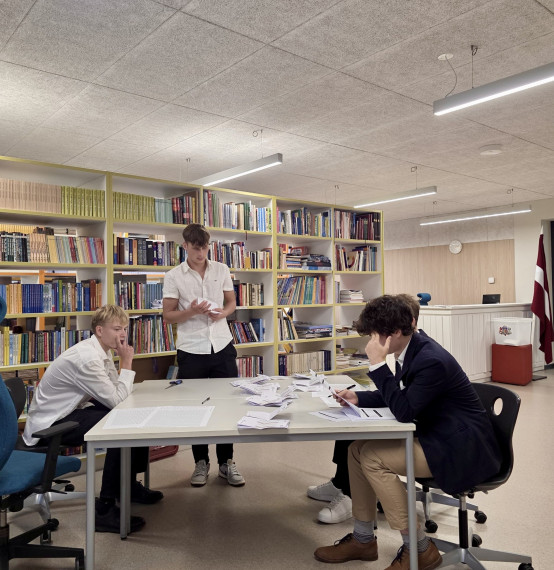
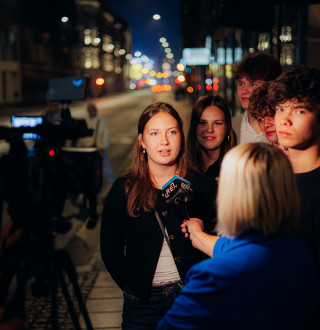
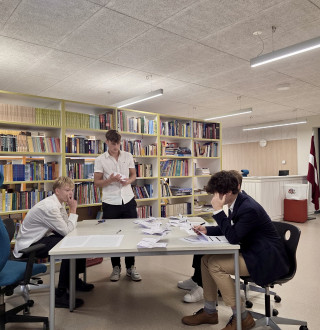
The day concluded with a discussion on lessons learned from the recent changes in the Baltic electricity system, while the final session gave the floor to young professionals, who presented policy proposals on energy security and security of supply in the Nordic-Baltic region.
The full recording of the conference is available on the Nordic Council of Ministers’ Office in Latvia YouTube channel here.
The Nordic-Baltic Energy Conference 2026 was organised by Nordic Energy Research and the Nordic Council of Ministers’ Offices in Latvia, Estonia and Lithuania.